Apr
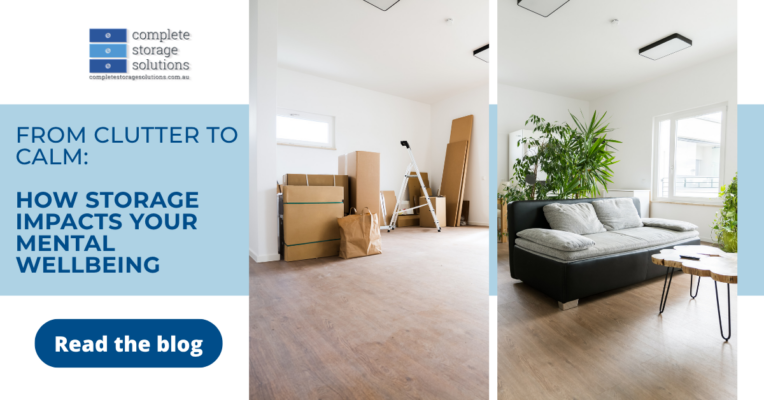
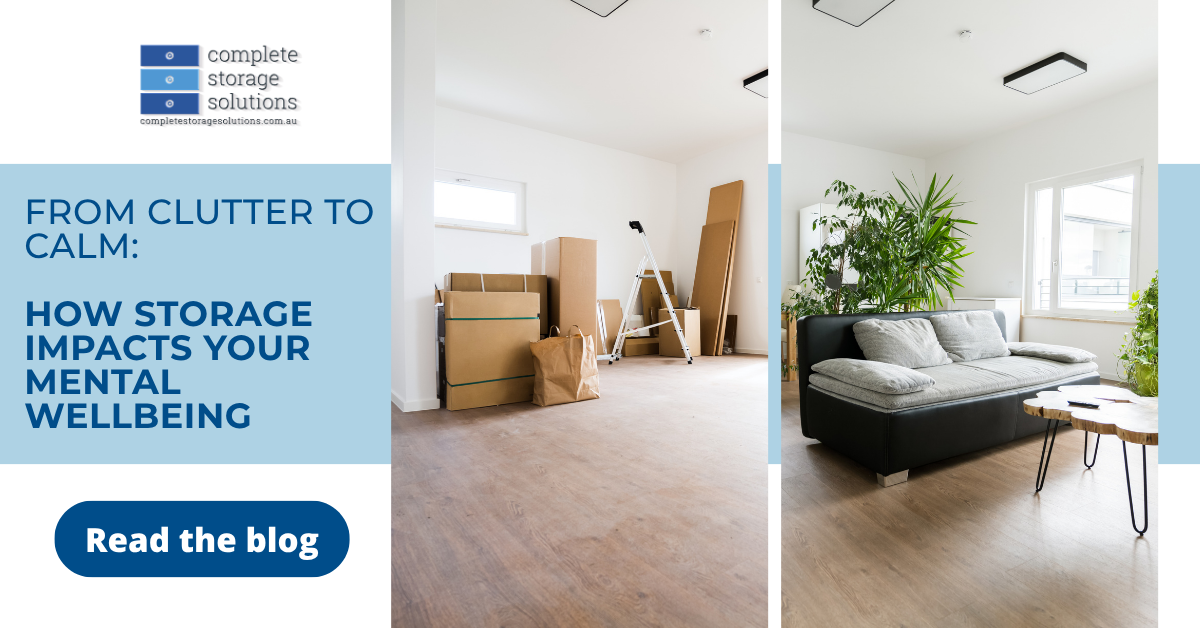
Clutter is not just a visual issue. It affects how you feel, think, and function every day. When your space feels chaotic, your mind often follows. The good news is that small changes in how you store and organise your belongings can create a noticeable shift in your mental wellbeing.
Here is how storage and organisation can support a calmer and clearer mind.
1. Clutter increases mental overload
Every item in your environment competes for your attention. Even when you are not actively thinking about it, clutter sends signals to your brain that there is unfinished business around you.
When spaces are messy or overloaded, your mind works harder to filter out unnecessary visual information. This can lead to feeling tired, distracted, or overwhelmed even when you are trying to relax.

2. Organised spaces reduce stress levels
A tidy and structured space helps create a sense of control. When everything has a place, your environment becomes more predictable and easier to manage.
This sense of order can lower stress because your brain does not have to constantly process chaos. Many people notice they feel calmer almost immediately after tidying a room or organising a key area like the kitchen or bedroom.

3. Storage systems create mental breathing room
Good storage is not just about hiding things away. It is about creating space for your mind to relax.
When items are stored properly and not left out in the open, your environment feels lighter. This gives your brain permission to slow down instead of constantly processing visual clutter.
Simple systems like baskets, labelled containers, and dedicated zones for everyday items can make a big difference.

4. Decision fatigue decreases when everything has a place
One of the hidden costs of clutter is the number of small decisions it forces you to make every day.
Where did I put that?
Do I still need this?
Where should this go?
These micro decisions add up and drain mental energy over time.
When storage systems are clear and consistent, you remove unnecessary decision making from your daily routine. This frees up mental space for more important things.

5. Clean spaces improve focus and productivity
A cluttered environment can make it harder to concentrate. Your attention gets pulled in multiple directions, even if you are trying to focus on a single task.
Organised spaces support clearer thinking. Whether you are working from home, managing a busy household, or studying, a tidy environment helps you stay on track and complete tasks more efficiently.

6. Storage can support emotional reset
Putting things away is not just a physical action. It can also feel emotionally grounding.
Decluttering and organising can give a sense of closure, especially when life feels busy or overwhelming. It is a way of resetting your environment which often leads to a reset in mindset as well.
Even small actions like clearing a bench or organising a drawer can create a sense of achievement and relief.

7. Better sleep can come from a calmer bedroom
Your bedroom environment plays a big role in sleep quality. Clutter in this space can make it harder to fully relax at the end of the day.
When your bedroom is organised and calm, it signals to your brain that it is time to rest. Clean surfaces, stored away clothing, and simple organisation systems can help improve sleep routines and overall rest quality.

8. Small storage habits create long term mental clarity
You do not need a complete home overhaul to feel the benefits of organisation. Small habits can create lasting change.
Putting items back where they belong
Doing a quick daily reset
Avoiding surface clutter build up
Using simple storage systems that are easy to maintain
These habits reduce mental friction and help you maintain a calmer environment over time.

Final thought
Your environment and your mental wellbeing are closely connected. When your space feels cluttered, your mind often mirrors that feeling. When your space is organised and intentional, your mind has more room to breathe.
Storage is not just about keeping things neat. It is about creating calm, clarity, and a sense of ease in everyday life.

Small Bathroom Storage: 6 Ideas That Make the Most of Every Corner
Short on bathroom space? Six practical storage ideas, from over-toilet units to drawer dividers, to [...]
Oct